

Two-sided coin: fed safety regulators’ car-crash statistics
What’s in a number?
A common adage stresses that “statistics don’t lie.”
That might be true, but what they seek to spotlight is also often susceptible of differing interpretations. Take a recent number highlighted by America’s preeminent traffic safety organization, for example.
A look at U.S. motor vehicle fatalities during 2019
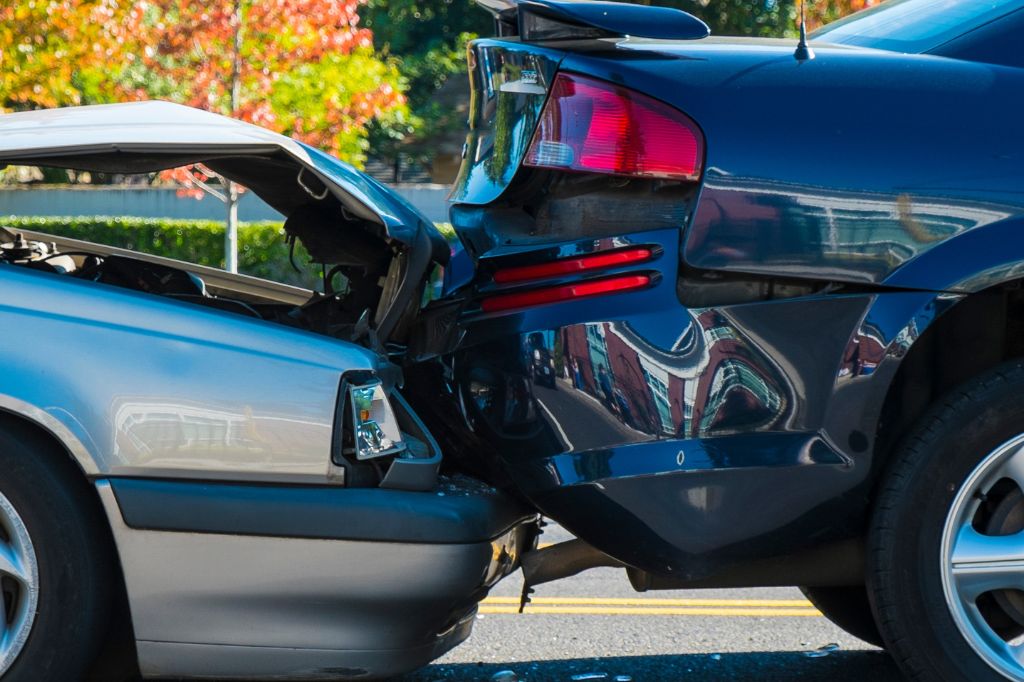
Safety regulators from the National Highway Traffic Safety Administration closely scrutinize roadway accident data. The NHTSA recurrently issues reports relevant to crash causes, trends and linked information.
One special area of focus is understandably on fatal crash outcomes. Regulators say that approximately 36,120 people died in motor vehicle accidents last year.
What does that signify?
Dual perspectives on the country’s fatal auto crash outcomes
The NHTSA prominently notes that last year’s roadway fatality number is salutary for this reason: The deaths from 2019 were fewer than those that occurred a year earlier. Moreover, they signified a drop in fatalities for the third consecutive year.
In other words, they hopefully signal an enduring trend.
But then there’s another way of looking at the 2019 number from an alternative perspective that is less hopeful and can’t be sugarcoated.
To wit: Extrapolated (and notwithstanding any evidence of trending), 36,120 traffic deaths within one year comes frightfully close to 100 fatalities on an “average” day – every single day of the year.
The national group Governors Highway Safety Association notes that reality with pronounced alarm. It touts last year’s lowered death rate, but adds that, “Tens of thousands of our family members and friends continue to be killed on our nation’s roads.”
Third-party driving lapses are often directly responsible for that. Questions or concerns following a motor vehicle accident and injury tied to another individual’s negligence can be directed to a proven and results-oriented personal injury legal team.
Related Articles



Free Consultation
Schedule Your Free Consultation
How This Works
1
Tell Us Your Story
Get a free consultation. We listen, answer questions, and explain your options.
2
Build Your Case
Our attorneys and nurses gather evidence and review records to build your case.
3
Medical Experts Review
Our in-house medical experts review your records and help move your claim forward sooner.
4
Focus on Recovery
We handle the legal process and insurance companies so you can focus on your family.
Reach Out Now
Required fields are marked.
